


Where Will Japan’s Next Wave of Soil Treatment Demand Come From?
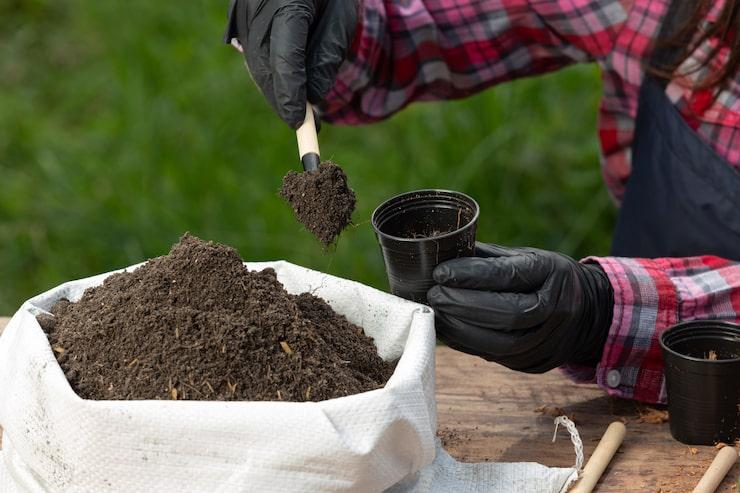
Japan's agricultural sector is placing greater emphasis on soil quality, nutrient management, and sustainable cultivation practices as producers seek to maintain agricultural productivity under changing environmental and operational conditions. Soil degradation, nutrient imbalances, declining organic matter, and inefficient fertilizer utilization can affect crop performance and increase the need for corrective agricultural inputs. These challenges are encouraging farmers to adopt more systematic soil management approaches, supported by diagnostic technologies, specialized amendments, and biological treatment solutions.
According to a Vyansa Intelligence report, the Japan Soil Treatment Market was valued at USD 1.51 Billion in 2025 and is projected to reach USD 2.5 Billion by 2032, registering a CAGR of 7.47% during 2026-2032. Demand is supported by the increasing importance of soil fertility management, agricultural sustainability, and technologies that improve the effectiveness of soil treatment applications. The sector is also benefiting from greater attention to organic cultivation, precision agriculture, and the restoration of soil productivity across different farming systems.
Soil Fertility Management Is Driving Product Demand
Maintaining soil fertility is an important requirement for Japanese agricultural production. Rice cultivation, horticulture, greenhouse farming, and other crop production activities depend on suitable soil conditions to support root development, nutrient absorption, and water management. Continuous cultivation can gradually influence soil structure, organic matter content, and nutrient availability, creating demand for corrective treatment products.
Agricultural lime, gypsum, compost, organic amendments, and specialized soil conditioners address different soil management requirements. Liming materials help correct soil acidity, while organic amendments contribute to soil structure and organic matter management. Gypsum and other mineral-based conditioners can support specific chemical and physical soil improvement requirements.
The Japanese Ministry of Agriculture, Forestry and Fisheries (MAFF) emphasizes soil diagnosis and appropriate application of compost, green manure, soil improvement materials, and biochar according to cultivation requirements. This approach reinforces the importance of condition-specific treatment rather than indiscriminate input application.
In this report, demand development is closely associated with the need to maintain soil productivity through coordinated nutrient management and corrective treatment programs. Agricultural input suppliers can address these requirements through products supported by technical recommendations and application guidance.
Biological Soil Treatment Is Gaining Commercial Relevance
Biological soil treatment is becoming an important area of product development as agricultural producers explore approaches that support soil microbial activity and nutrient cycling. Microbial inoculants, biofertilizers, organic conditioners, and biochar-based amendments offer alternatives or complements to conventional chemical treatment products.
Microbial formulations can support nutrient availability through biological processes, while organic amendments contribute to soil conditioning and organic matter management. Biochar is also attracting attention because of its potential applications in soil improvement and carbon management, depending on its composition, production process, and application conditions.
According to this industry report, biological treatment adoption is connected to the broader shift toward sustainable agricultural input management. However, product effectiveness depends on soil characteristics, crop requirements, application methods, and environmental conditions. Manufacturers must therefore establish reliable product quality and provide evidence supporting the intended agronomic applications.
Japan's agricultural sustainability initiatives provide a supportive policy environment for the development of soil improvement technologies. This creates opportunities for suppliers specializing in biological formulations, organic amendments, and integrated soil management solutions.
Precision Agriculture Is Changing Soil Treatment Decisions
Agricultural digitization is influencing how Japanese farmers identify soil deficiencies and select appropriate treatment products. Conventional soil management often relies on periodic sampling and generalized fertilizer recommendations. Precision agriculture offers a more targeted approach by combining soil testing, field mapping, digital monitoring, and application technologies.
Soil diagnostics help identify variations in pH, nutrient availability, organic matter, moisture retention, and other characteristics that influence crop development. Farmers can use these findings to determine whether specific fields require acidity correction, organic amendments, nutrient supplementation, or other soil improvement measures.
The integration of digital agricultural platforms is also improving the potential for data-supported input management. Sensor technologies, automated equipment, and field-level monitoring can help farmers coordinate treatment applications with crop requirements. This creates opportunities for technology providers and agricultural input manufacturers to offer integrated solutions rather than relying exclusively on standalone products.
Latest market analysis indicates that precision-led soil management can strengthen demand for specialized treatment materials by improving application accuracy and supporting more efficient input utilization.
Regulatory Standards Are Influencing Product Development
Japan maintains a regulatory framework governing fertilizers and soil improvement materials. The Improvement of Soil Fertility Law establishes provisions for soil fertility enhancement policies and quality labelling requirements for designated soil improvement materials. The Fertilizer Quality Assurance Act also governs fertilizer quality, production, and safe application.
These regulations influence manufacturers' responsibilities concerning product composition, quality information, labelling, and commercialization. Compliance is particularly relevant for suppliers introducing specialized amendments, processed organic materials, and innovative soil conditioning formulations.
The Food and Agricultural Materials Inspection Center (FAMIC) supports regulatory implementation through fertilizer registration-related services, inspections, sample examinations, and analytical methods. Such oversight contributes to product quality assurance and strengthens the importance of regulatory compliance within the agricultural inputs supply chain.
Industry analysis suggests that manufacturers with reliable quality-control systems, consistent product specifications, and technical documentation can improve their commercial positioning. Regulatory familiarity also becomes important when introducing new formulations or expanding distribution through agricultural cooperatives and input suppliers.
Agricultural Sustainability Creates New Commercial Opportunities
Japan's focus on sustainable agricultural production is creating opportunities for soil treatment suppliers across conventional and organic cultivation systems. Organic agriculture requires appropriate soil preparation, organic matter management, and nutrient replenishment strategies. These requirements can support demand for compost, microbial inputs, biochar, and other approved soil improvement materials.
The growing interest in regenerative agricultural practices also creates opportunities for integrated treatment programs. Crop residue management, green manure, organic amendments, and soil conditioning can be combined to support longer-term soil productivity.
For suppliers, commercial opportunities extend beyond product manufacturing. Soil testing services, customized treatment recommendations, application guidance, and farmer education can strengthen relationships with agricultural customers. A Market research report examining this sector must therefore consider the importance of technical support and distribution capabilities alongside product availability.
However, adoption challenges remain. Farmers must evaluate treatment effectiveness, application costs, compatibility with existing cultivation practices, and the time required to observe improvements in soil conditions. These considerations can influence purchasing decisions, particularly among smaller agricultural operators.
Conclusion
The Japan Soil Treatment Market is evolving through the convergence of soil fertility management, biological agricultural inputs, precision farming, and sustainability-oriented cultivation practices. Demand is increasingly associated with the need to maintain productive soil conditions, improve nutrient utilization, and address agricultural challenges through specialized treatment solutions.
Biological amendments, organic conditioners, mineral-based products, and precision application technologies are creating opportunities for manufacturers and agricultural service providers. Nevertheless, commercial adoption will depend on product effectiveness, regulatory compliance, technical support, and the economic suitability of treatment programs. As Japanese agriculture places greater emphasis on scientifically supported soil management, specialized treatment solutions will remain relevant to the modernization of agricultural input practices.
